Define the load and the path
- Maximum load weight and lift height determine the truck class and mast. Heavier loads at higher lift require larger counterbalance and wider aisles.
- Measure the tightest turn and narrowest aisle. Local distribution buildings often run narrow aisles to maximize storage; cushion‑tire electrics fit polished slab, while pneumatics serve rougher floors and dock aprons.
Power source and environment
- Electric forklifts suit indoor, high‑bay operations with charge infrastructure. Humid coastal conditions call for attention to connectors and battery maintenance over longer deployments.
- Internal combustion units are common outdoors, on dock aprons, and in mixed environments with airflow; verify floor bearing and ventilation requirements set by the site.
Mast, tire, and attachment considerations
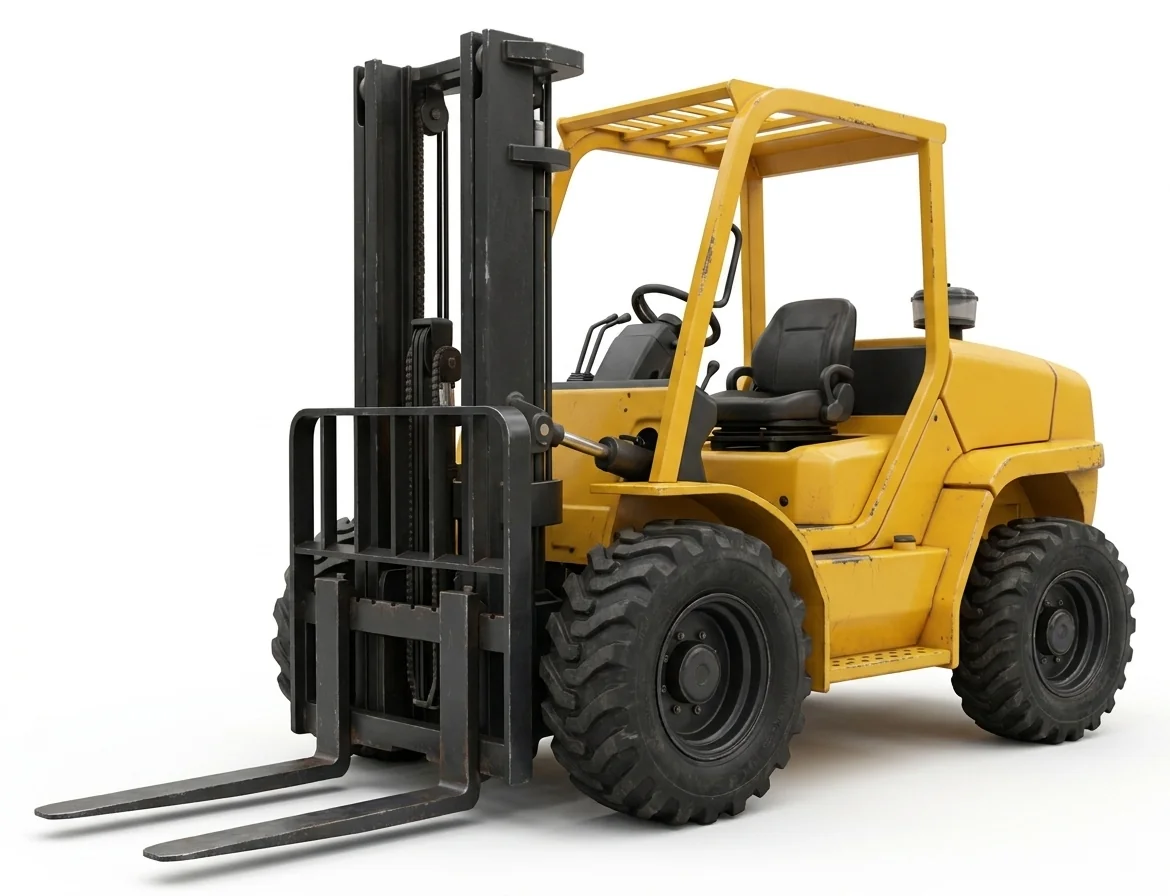
- Triplex masts improve overall collapsed height for low doorways while keeping lift height. Side‑shifts and fork positioners improve placement accuracy when working fast dock cycles.
- For sandy or uneven yards, pneumatic or solid‑pneumatic tires offer better flotation than cushion tires.
When another machine fits better
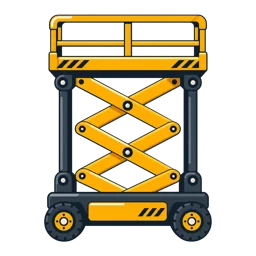
- Personnel at height: electric scissor lifts or vertical masts.
- Outdoor reach beyond a counterbalance truck: telehandlers.
Site access and staging in Jacksonville
- Check dock levelers, ramp grades, and overhead clearances at older facilities. Busy freight windows may constrain travel times inside yard perimeters.
For broader lifting categories, see aerial lift and products. To discuss specifics, visit contact.