Map the load and runtime first
Start with the real load you’ll support: continuous amperage for tools, fans, or temporary panels, plus any surge draw from motors or pumps. Then compare that to the runtime window. Night operations at local distribution buildings and stadium-area shifts often want dusk-to-dawn coverage without refueling. Longer runs push you toward larger fuel tanks or models designed for efficient partial loads.
- Continuous vs. peak load matters for generator sizing
- Night work schedules set the light tower runtime target
- Parallel use with a site generator changes cord lengths and voltage planning
Route and surface change the platform choice
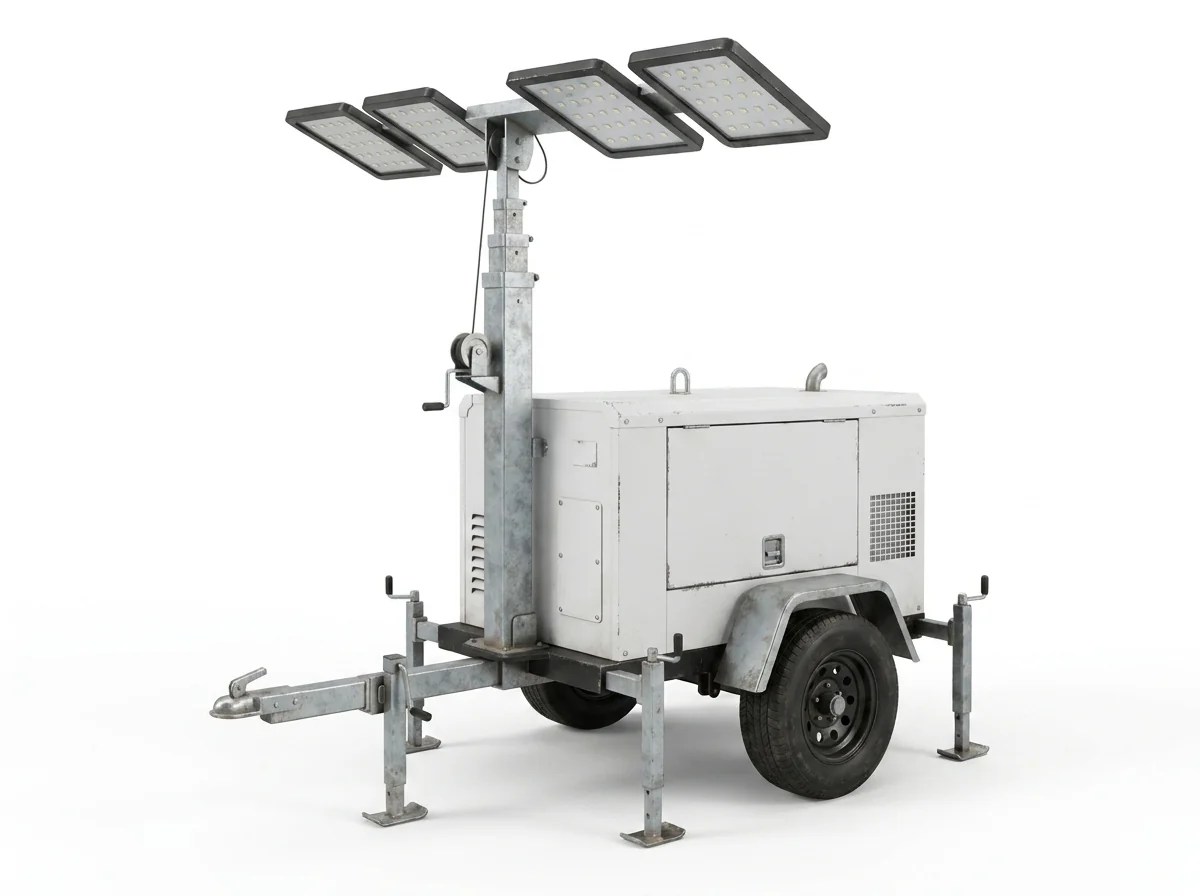
The typical access path in Jacksonville may include sand, wet grass, or compacted shell. Trailered light towers with wider tires track better on sandy “Type C” ground than narrow, hard wheels. If the unit must move between paved slab and job laydown, ground clearance and tow point height make the difference between smooth moves and delays. For generators, the same surface can influence where the skid sits and how vibration pads behave.
Humidity and salt‑air exposure affect enclosures
The regional climate can push moisture into connectors and panels, especially on waterfront or open-lot placements. Weather‑resistant enclosures, tight cable routing, and elevated cord paths help protect connections from splash and condensation. For lighting, sealed fixtures and mast cabling with good strain relief are worth comparing when towers live outdoors for extended periods.
Light geometry: pole height, aiming zone, and spill
The job geometry decides the mast height and head count. High-bay yard work needs taller masts to clear stacked materials without glare into drivers’ lines. Tight institutional renovations may call for lower masts with broader dispersion to avoid hot spots. If the lighting must align with elevated work, pair tower placement with aerial access timing; see lift categories at /aerial-lift-rental/ or /boom-lift-rental/ for reach context.
When power supports access work
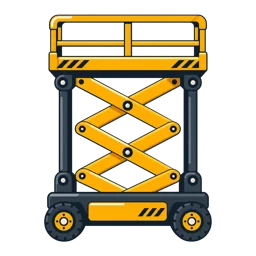
If generators feed chargers for /electric-scissor-lift-rental/ or tools on /vertical-mast-lift-rental/, plan for steady output and clean voltage during peak charge cycles. Outdoor elevated tasks on sandy lots may also need /rough-terrain-scissor-lift-rental/; coordinate tower placement so light doesn’t blind operators when booms rotate; compare options at /articulating-boom-lift-rental/ and /telescopic-boom-lift-rental/.
Actual conditions, equipment instructions, and site procedures govern outdoor placement and elevated work.
Quick spec checkpoints
- Total kW and surge margin
- Fuel type and tank capacity for overnight runs
- Towable vs. skid and tire profile for mixed surfaces
- Mast height, number of heads, and beam pattern
- Weather‑resistant enclosure and connector ratings
For related site items, see /products/ or coordinate timing at /contact/.