Site and surface define the floor
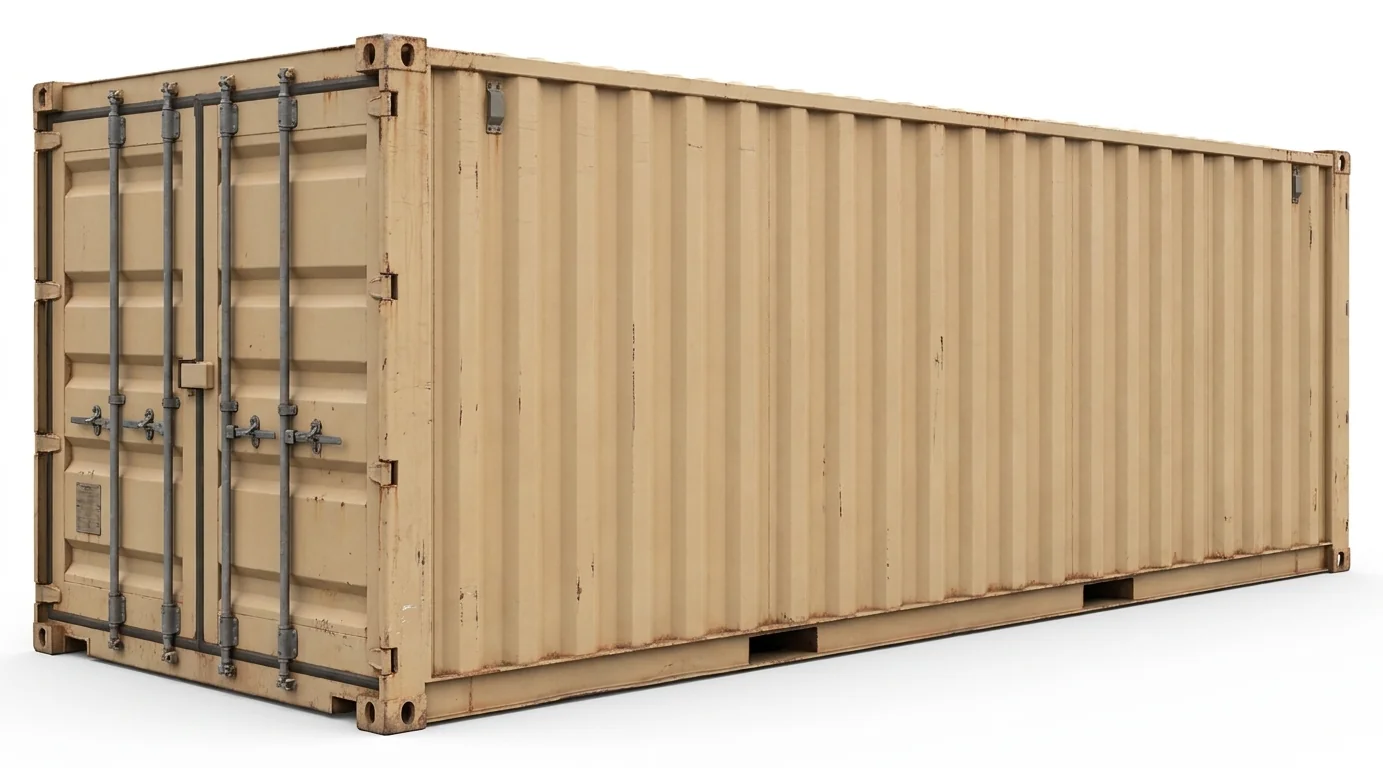
Containers concentrate weight at corner castings. On sandy or mixed aggregate, expect settlement unless the pad spreads that load. If the unit sits near slab edges or utility corridors, measure the footprint and turning radius for delivery. Tight corners near high-bay racking may require shorter lengths to keep aisles open for forklifts; see /forklift-rental/ if material handling is part of the plan.
Door style and daily use
Frequent picking for logistics operations favors smooth‑swing doors, clear threshold access, and interior lighting plans. For construction staging, a wider double‑door end or side‑door configuration can speed pallet moves. Consider how containers interact with aerial tasks—if parts or fixtures support elevated work, coordinate with /electric-scissor-lift-rental/ indoors or /rough-terrain-scissor-lift-rental/ outside.
Height, clearance, and adjacency
High‑cube containers fit bulky materials but can conflict with eaves, canopy lines, or temporary power drops. Measure overhead clearances along the delivery path and the final location. In crowded renovation zones, maintain setback from scaffolds or boom swing radiuses; see reach ranges at /boom-lift-rental/ and articulation needs at /articulating-boom-lift-rental/.
Ventilation and the regional climate
Jacksonville’s coastal humidity can build heat and moisture inside closed steel boxes, affecting sensitive finishes, electronics, or paper goods. Vented units or desiccant planning help manage moisture loading. If containers will store equipment with batteries or chargers, verify airflow and keep electrical layouts consistent with the manufacturer’s requirements.
Security and traffic flow
Near distribution buildings, containers should avoid obstructing trailer angles at docks and emergency routes. Marked access lanes and predictable door swing reduce conflicts with yard vehicles.
Quick spec checkpoints
- Length and height vs. route clearances
- Door configuration for the load pattern
- Floor condition and pad support on sand or slab
- Ventilation approach for humid conditions
- Proximity to lifts, forklifts, and active traffic
For a coordinated site plan, compare related categories at /products/ or talk placement windows at /contact/.